Affordable iPhone Repair Strategies: How to Spend Less When Restoring Your Device
Budget-friendly iPhone repair strategies can help users manage expenses while keeping their devices functional. Numerous frequent problems, such as cracked screens and battery problems, can be handled with straightforward DIY approaches. Nevertheless, when expert help is required, locating cost-effective repair solutions becomes essential. Grasping the equilibrium between value and expense in replacement components is also essential. This guide will examine these approaches, prompting users to contemplate their options for managing their iPhones effectively.
Understand Common iPhone Faults: Important Things to Understand Before You Begin
When people face difficulties with their iPhones, being aware of the most frequent issues can significantly simplify the repair process. Frequent problems consist of screen damage, battery degradation, and software malfunctions. A cracked screen is often a result of accidental drops, making it one of the most frequent repairs. Battery issues commonly iphone screen repair gilda parade bristol present as fast power loss or an inability to maintain a charge, especially in older devices. Software glitches can lead to unresponsive applications or frequent crashes, often resolved through a simple reboot or update.
One other frequent concern is connectivity problems, impacting Wi-Fi and Bluetooth capabilities, which can stem from software settings or hardware failures. Users may also encounter sound issues, such as distorted audio or malfunctioning speakers, often linked to hardware damage or software bugs. Understanding these frequent issues enables users to make informed decisions about repairs, allowing them to conserve time and resources throughout the repair process.
DIY iPhone Troubleshooting Tips for Minor Problems
Many iPhone users experience common issues that can be quickly fixed without expert assistance. As an example, a damaged screen can often be mitigated with a do-it-yourself repair kit, which generally contains bonding material and a new glass panel. Users are advised to follow step-by-step online guides to guarantee proper installation.
A frequently encountered problem is a sluggish device. Clearing the cache and unnecessary apps can substantially increase overall speed. Rebooting the device can additionally fix minor glitches.
Battery concerns, like rapid drainage, can be resolved by modifying configurations like brightness levels and background application refresh. People are also able to handle the battery replacement personally through available online resources, so long as they have access to the necessary tools.
Finally, if the iPhone is failing to charge correctly, inspecting the charging port for debris and carefully cleaning it with a toothpick can commonly fix the problem. By following these do-it-yourself suggestions, iPhone owners can cut costs and prolong the lifespan of their devices without seeking professional help.
When to Seek Professional Help: Finding Affordable Repair Services
How do users know when it's time to consult a professional for their iPhones? Understanding the boundaries of self-repair is crucial. Should a problem remain despite attempting standard troubleshooting measures, such as resetting the device or checking for software updates, it might suggest a more serious concern. Individuals ought to seek professional assistance when they encounter hardware-related complications like broken screens, battery failures, or liquid damage, which often require professional-grade equipment and knowledge.
In addition, if the device demonstrates evidence of malfunction, such as sudden shutdowns or inability to charge, specialist help is suggested. Finding affordable repair services can be achieved through research; independent repair shops commonly present more competitive rates than authorized service centers. Checking client feedback can additionally assist users in finding trustworthy services. Ultimately, recognizing when to obtain expert help assures that users can successfully handle their device concerns without facing excessive charges.
Selecting Replacement Parts: Quality vs. Cost
After determining the need for professional repair, users face the significant decision of selecting replacement parts. The selection between quality and cost can significantly impact the device's performance and longevity. Superior replacement parts, frequently obtained from reputable manufacturers, tend to provide improved compatibility and longevity, reducing the likelihood of future issues. However, these premium options come at a greater cost.
On the other hand, more affordable choices might look enticing, notably for individuals hoping to cut costs at the outset. Even though these budget options can address the concern at first, they may not offer the same reliability, possibly resulting in more regular maintenance expenses over time.
Consumers should consider their priorities: should the device be essential for daily use, investing in quality parts may be wise. At the end of the day, the decision must weigh current financial pressures against the ongoing health and usability of the iPhone.
Do You Really Need Warranty and Insurance for Your iPhone?
When considering the importance of warranty and insurance for an iPhone, knowing your coverage options is vital. Analyzing insurance costs can help consumers decide whether the potential benefits outweigh the costs. Examining these elements allows for well-informed choices regarding protection against potential damages and repairs.
Understanding Warranty Coverage
As many iPhone users explore warranty and insurance plans to safeguard their devices, being familiar with the particulars of these options is important. Warranty protection commonly includes fixes for manufacturing defects but fails to cover damage from accidents. Apple's default warranty period spans one year, offering the possibility to expand coverage through AppleCare+ for an added charge. This extended coverage provides accidental damage protection, though a deductible applies per incident. Customers ought to evaluate their habits and risk considerations before choosing a warranty plan. For individuals who often switch devices or exercise care with them, the default coverage may be adequate. On the other hand, frequent users or accident-prone individuals could view comprehensive coverage as a beneficial option, offering reassurance and possible cost savings on repairs.
Insurance Pricing Overview
What methods can users employ to assess whether warranty and insurance coverage for their iPhone is worth the cost? Assessing the possible expenses of repairs compared to the cost of insurance premiums is a critical step. Individuals should review the usual repair fees for widespread concerns, such as cracked screens or battery failures, and evaluate these in relation to the annual premium of an insurance policy. Additionally, users need to assess their likelihood of experiencing damage based on their usage patterns. For those who use their devices heavily and are susceptible to mishaps, an insurance plan can offer reassurance and monetary benefits. On the other hand, individuals who handle their devices with care may discover that self-insuring—reserving money for possible repair needs—might prove to be a more economical strategy. At the end of the day, personal factors and lifestyle considerations will govern the overall benefit of warranty and insurance solutions.
Protect Yourself from Repair Scams: Important Red Flags to Recognize
What warning signs suggest a possible repair scam when looking for iPhone services? For starters, extremely low prices may be cause for concern; if a repair service offers deals that seem too good to be true, it likely compromises quality. Moreover, a failure to provide clear information about the repair procedure and parts involved could point to dishonesty. Reputable businesses should provide detailed estimates and explain the repairs.
One more cautionary indicator is high-pressure sales tactics, such as urging customers to make quick decisions without enough opportunity to assess their choices. Customer reviews can also offer insight; ongoing negative responses or missing reviews should raise concerns.
Lastly, credible repair companies generally have a physical address and a credible online presence. If a service provider exists purely online without a proper address or means of contact, it might not be legitimate. Staying alert to these indicators can help consumers avoid scams and guarantee a reliable repair experience.
Preventing Future Damage: Tips to Keep Your iPhone Safe
Safeguarding an Apple iPhone from harm requires proactive measures. iPhone users should purchase a durable case and screen protector to absorb shocks and prevent cracks. Routinely cleaning your iPhone, with special attention to the ports, can prevent dust buildup and maintain proper functionality.
Furthermore, steering clear of exposure to extreme temperatures and moisture is vital; owners should avoid storing their phones in overheated cars or in proximity to water. Implementing software updates promptly guarantees that the phone operates efficiently and benefits from the newest security improvements.
Developing a habit for careful storage is just as vital; users should store their iPhones in protected pockets or bags when traveling. Additionally, practicing careful usage, such as avoiding multitasking while handling the phone, can greatly lower the chance of mishaps. By implementing these safety precautions, iPhone individuals can significantly prolong the longevity of their phones and sidestep expensive damage costs.
Frequently Asked Questions
How Do I Know if My iPhone Requires Repair?
Signs that an iPhone needs repair include recurring crashes, a non-responsive touchscreen, a battery that drains quickly, visible physical damage, or declining camera performance. Noticing these problems could suggest deeper hardware or software concerns necessitating expert repair.
What Supplies Do I Need for DIY iPhone Repairs?
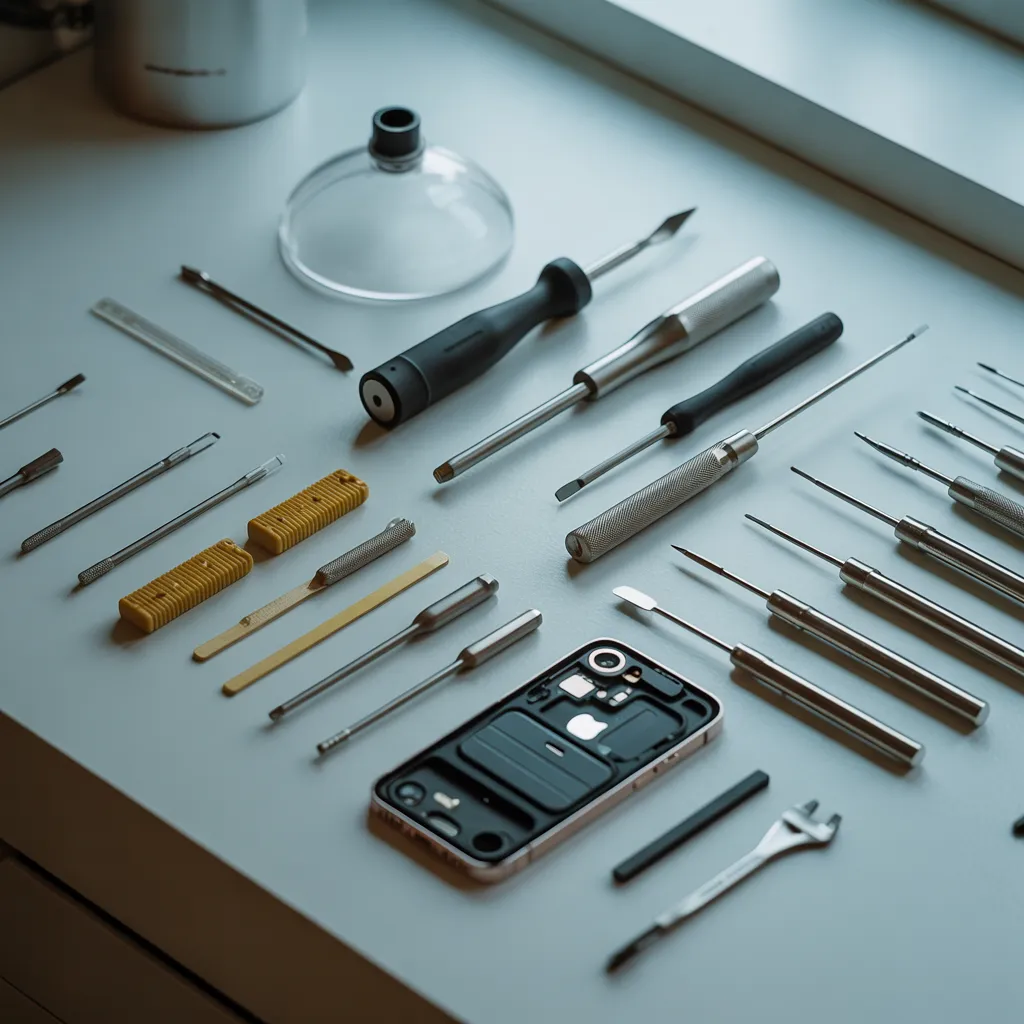
When performing DIY iPhone repairs, the essential tools needed include a precision screwdriver set, plastic spudgers, fine-tipped tweezers, suction cups, and a heat gun or heat mat. These tools enable safe disassembly and reassembly of the iPhone throughout the repair process.
Are Third-Party Repair Shops Reliable for iPhone Fixes?
Outside repair providers are often dependable for fixing iPhones, regularly offering high-quality repairs at reduced prices. However, users should research reviews and look into repair guarantees to secure a satisfactory repair experience.
Is It Possible to Fix My iPhone Without Voiding the Warranty?
Indeed, a iPhone device can be serviced without invalidating the warranty if the repairs are conducted by approved service centers using genuine parts. Non-certified repair work, however, commonly cause warranty nullification, impacting future service options.
How Much Time Does a Standard iPhone Repair Usually Take?
A standard iPhone repair typically takes between one to three hours based on the nature of the problem. More involved repairs can take longer to complete, while minor fixes can frequently be finished promptly by skilled technicians.